2026-10-22 ·
Spray Foam Removal Considerations for Victorian Terraces in Torquay
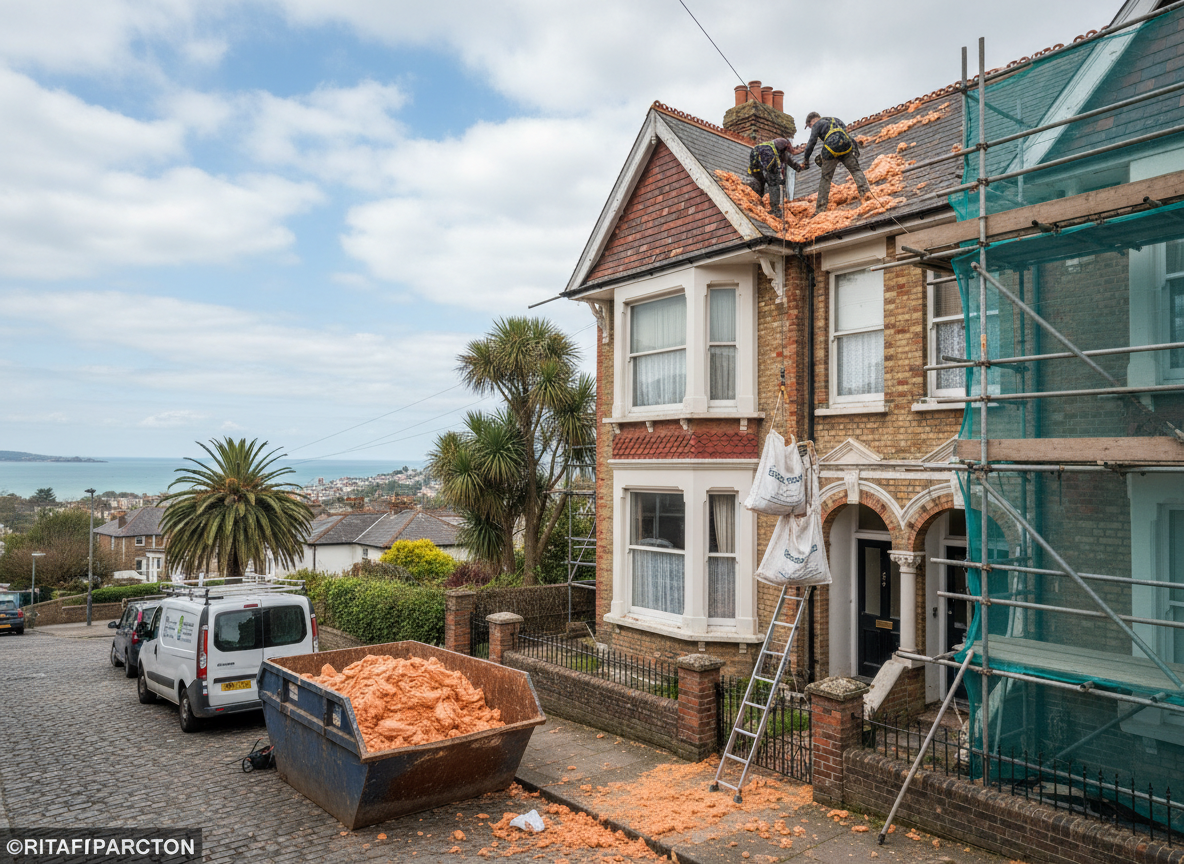
Victorian terraces in Torquay often feature narrow roof voids and slate-covered pitches that trap moisture once spray foam is installed. Removing the foam requires staged access through small loft hatches and careful protection of original timber and plasterwork. Homeowners in areas like Torre and Ellacombe commonly face these constraints because many terraces date to the 1880s and retain their original construction.
Access Challenges in Tight Victorian Roof Voids
Torquay's Victorian terraces typically have roof voids measuring under 1.2 metres at the ridge, limiting movement and equipment. Workers must disassemble sections of foam in manageable pieces rather than large sheets to avoid disturbing lathe-and-plaster ceilings below. Properties along The Terrace and nearby streets often require scaffolding or internal platforms because rear additions block standard ladder access. These spatial limits extend project time compared with later Edwardian or inter-war homes in the same streets.
Moisture and Salt-Air Effects on Removal
The mild yet persistently damp climate along the Torquay coast accelerates mould growth behind closed-cell foam once it fails. Salt-laden air from the English Channel penetrates micro-cracks in slate roofs, increasing timber decay risk during removal. In neighbourhoods such as Babbacombe and St Marychurch, owners report higher moisture readings in north-facing slopes after foam removal. Proper sequencing includes drying periods of at least 48 hours between stripping and ventilation upgrades to prevent re-wetting of exposed rafters.
Protecting Original Features During Extraction
Many Torquay terraces retain decorative ceiling roses and cornice details that sit directly below insulation layers. Dry extraction methods minimise vibration that could crack fragile plaster. Teams working on listed or locally significant buildings near the harbour coordinate with conservation officers to document every step. This approach preserves the architectural character that draws buyers to these homes while still achieving a clean substrate for new insulation choices.
Ventilation Restoration After Removal
Restoring airflow is essential once foam is gone because Victorian terraces rely on natural stack ventilation through ridge tiles and eaves. Blocked or removed vents must be reinstated to meet current Building Regulations for the Devon region. Linking to practical guidance on loft ventilation fixes after spray foam removal in Devon helps owners plan the next phase. Without these measures, condensation quickly returns to bedroom ceilings in winter.
Mortgage and Lender Requirements in Torquay
Lenders frequently flag spray foam in Victorian properties because it obscures roof timbers and raises perceived damp risk. An insulation assessment before removal provides the documentation most mortgage companies request. Owners in Paignton Road terraces have successfully used reports from local operators to satisfy survey conditions. Early engagement with lenders avoids delays when properties go on the market.
Cost and Timeline Factors Specific to Terraces
Removal on a standard two-up two-down terrace in Torquay ranges from 3 to 5 days depending on void access and foam thickness. Factors such as rear roof extensions and shared chimney stacks add variables that affect both price and duration. Reviewing what affects spray foam removal cost in Torquay gives realistic budgeting guidance without generic national averages. Scheduling during drier months between April and September reduces weather-related interruptions common on exposed coastal pitches.